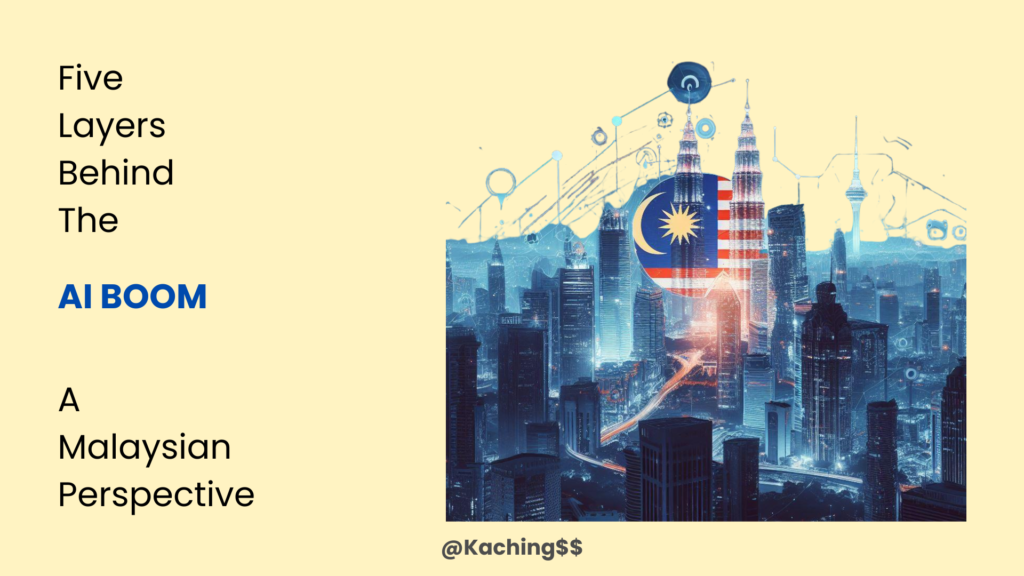
Everyone is talking about AI this and that. But did you know in 2025, Jensen Huang the CEO of NVIDIA released a statement where AI mainly consists of five layers.
In 2025, NVIDIA CEO Jensen Huang described AI as an ecosystem built on five interconnected layers. Rather than viewing AI as a single technology, these layers help us understand AI more. From generating electricity to building chips, operating data centers, training AI models, and finally delivering AI applications to end users.
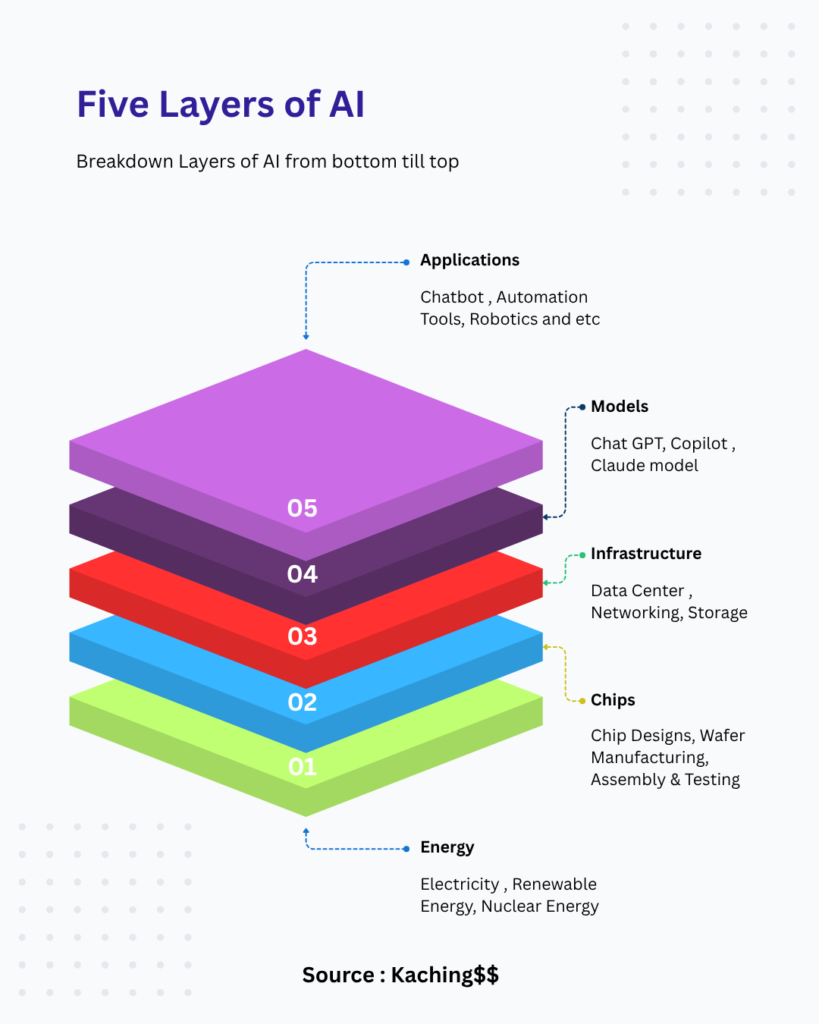
The five layers are
- Energy
- Chips
- Infrastructure
- Models
- Applications
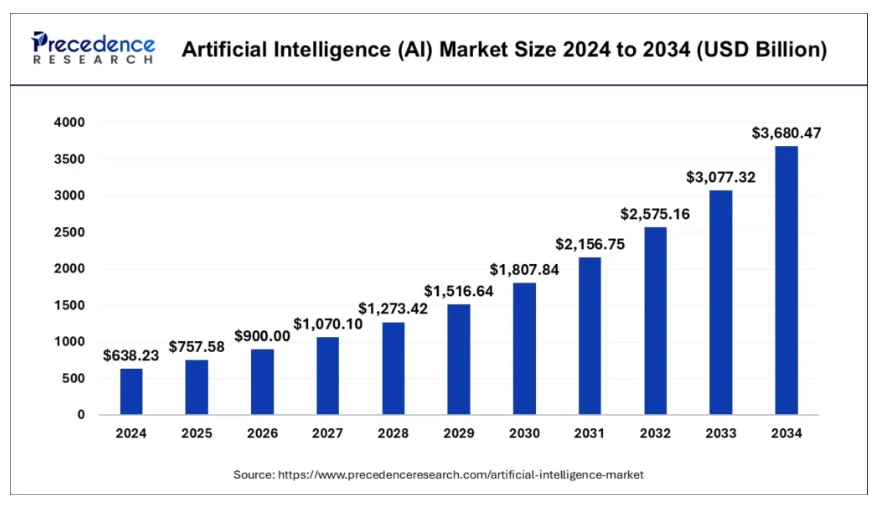
Since post pandemic , the launch of chat GPT has increase demand of AI globally. Higher interest sparked further investment from everywhere just to be the first within the AI industry. The global AI market is projected to reach USD 3.68 trillion by 2034, creating opportunities across the entire AI ecosystem.
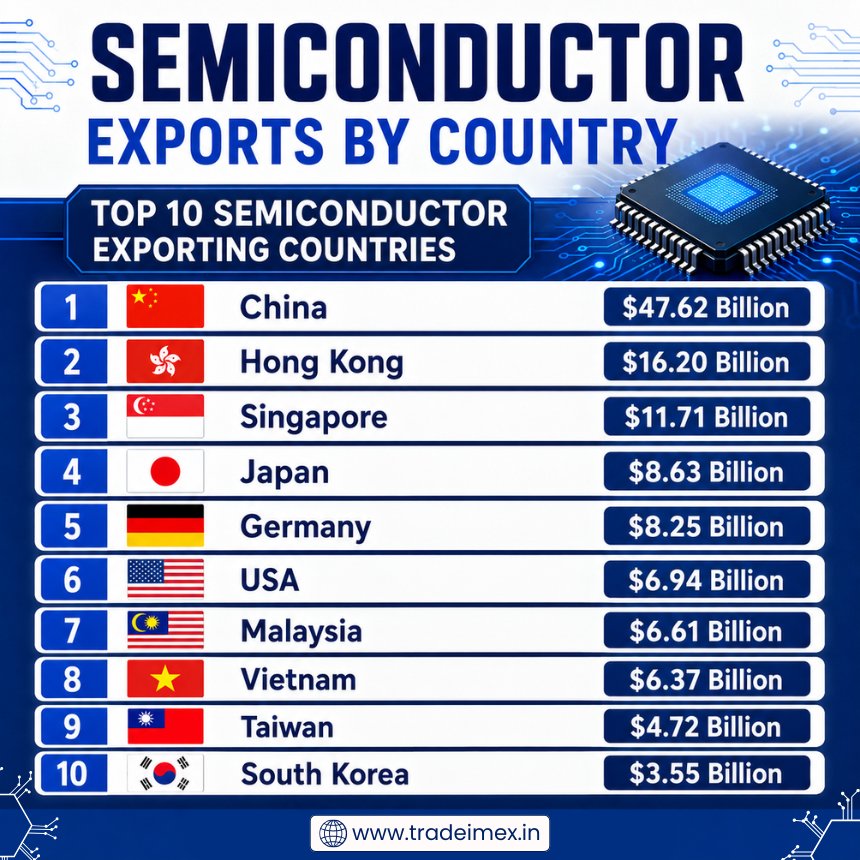
Malaysia is more than just an observer of the AI revolution. Instead, it has become an important player in the global AI supply chain. Its strong electronics and semiconductor ecosystem continues to support this growth. As a result, Malaysia is strengthening its position as a strategic manufacturing hub. In 2025, the country exported approximately USD 6.61 billion worth of semiconductors. Consequently, its role in the next generation of AI technologies continues to grow.
Let’s explore the five layers of AI and uncover how Malaysia is building its role in the global AI ecosystem.
Energy
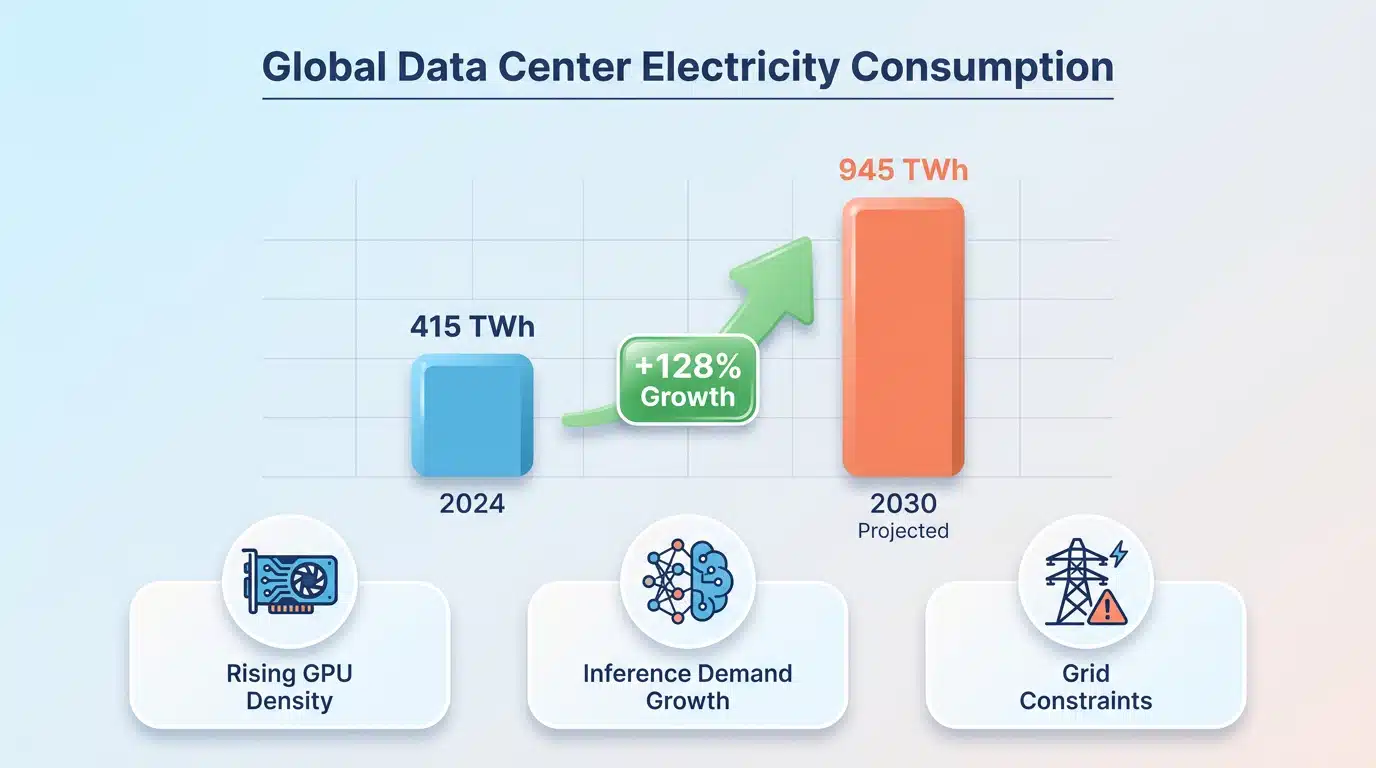
Artificial Intelligence is one of the most energy-intensive technologies today.
Every AI query, image generation, and model training task relies on power-hungry data centers to work.
Thus, energy demand has been growing exponentially, positioning the energy sector as a key beneficiary of the AI boom.
Investment opportunities were created for both renewable and non-renewable energy providers. These companies supply the electricity needed to power AI data centers, while nuclear energy continues to benefit from rising AI-driven electricity demand.
In Malaysia, big energy supplies like Tenaga National Berhad (TNB) have experience as the biggest winner from this layer. There has been reflect on the company performance and also impacted it stock price moving in a great trajectory since 2022 , where there has been higher consumption of electricity,
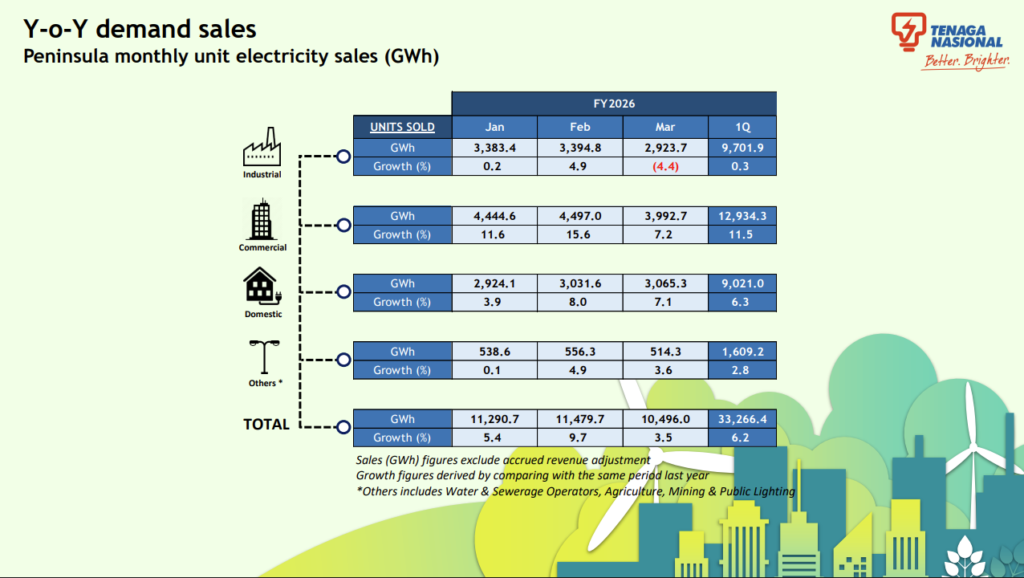
Here are Tenaga Nasional Y-o-Y demand sales on electricity sales , where there is growth of 6.2% Y-o-Y on Q1 of 2026. Commercial sector which included the likes of data center has the highest growth in terms of demand for electricity.
Chips
The next layer is semiconductors, one of the biggest beneficiaries of the AI boom. Every AI model relies on powerful chips to process and train massive amounts of data.
The semiconductor industry consists of three main layers: Upstream, Midstream, and Downstream. A broader semiconductor ecosystem supports each stage of the value chain.
Together, these segments form the backbone of modern AI computing. Here’s how each layer contributes to the global AI supply chain.
- Upstream (Chip Design) : Companies that design semiconductor architectures, processors, and AI chips before they enter production.
- Midstream (Chip Manufacturing) : Foundries and manufacturing partners that fabricate silicon wafers and transform chip designs into physical semiconductors.
- Downstream (Assembly, Packaging & Testing) : Companies that package, assemble, and test chips to ensure they meet performance and reliability standards before reaching customers.
- Supporting Ecosystem : Companies that enable the entire industry through manufacturing equipment, design software (EDA), advanced materials, and AI memory solutions.
Here are the company composition of chips layer in Malaysia and other global leaders.
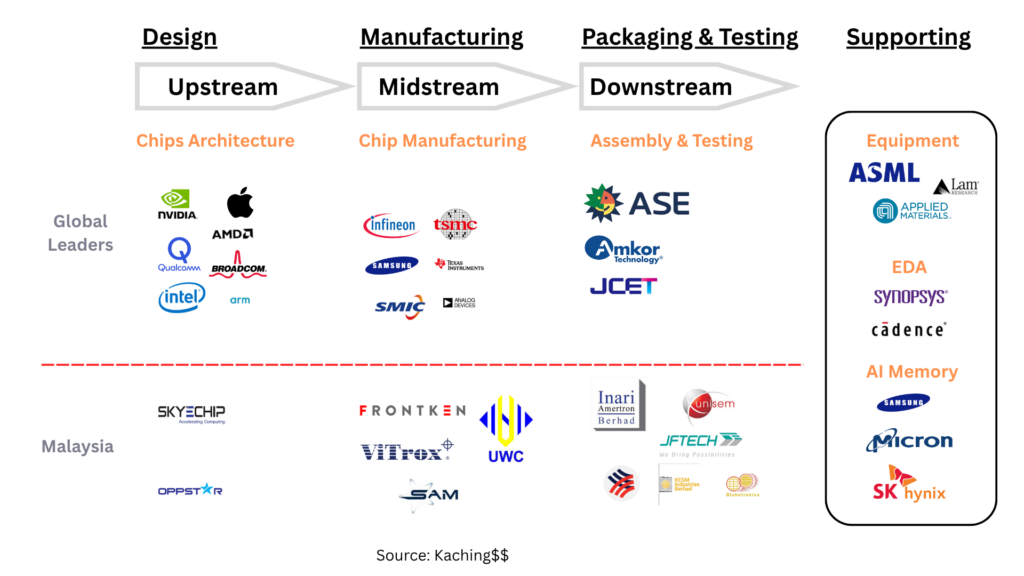
Malaysia particularly play a bigger role in the OSAT (Outsourced Semiconductor Assembly and Test) segment, which are the downstream area.
Companies like Inari Amertron specializes in RF chip packaging and testing for customers such as Broadcom. Unisem provides assembly and testing services for automotive, industrial, and consumer electronics. Meanwhile, MPI delivers advanced packaging and testing solutions for global semiconductor companies.
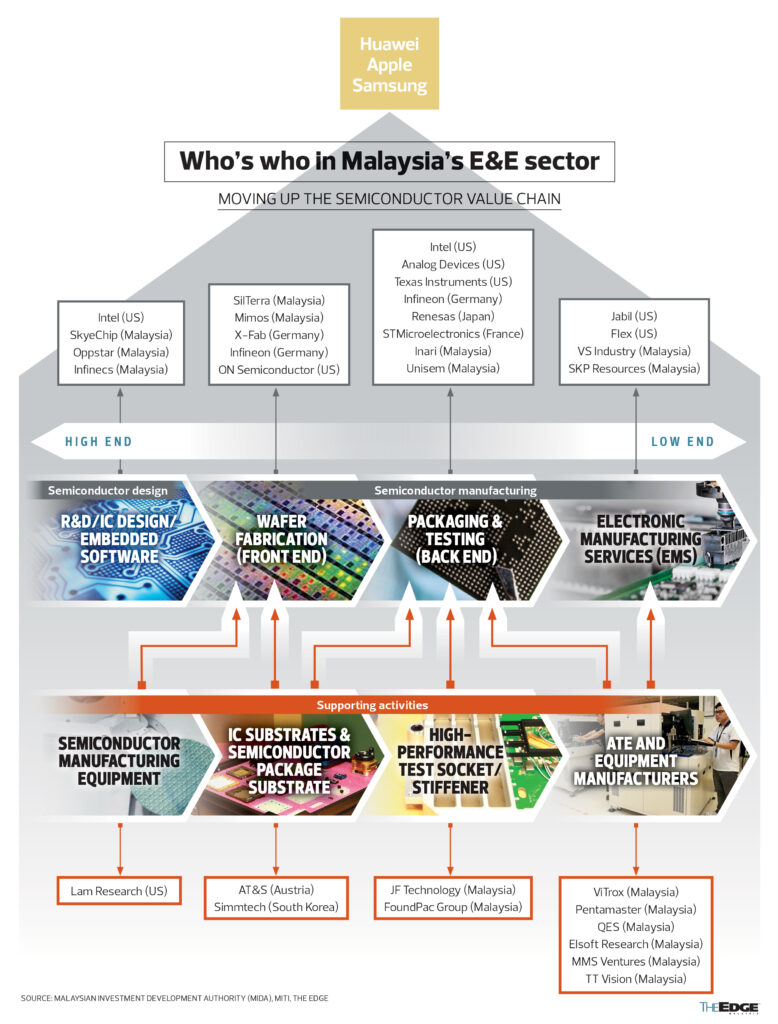
At the same time, Frontken, UWC, Vitrox, and Oppstar strengthen the semiconductor ecosystem through equipment, engineering, inspection, and chip design services.
Infrastructure
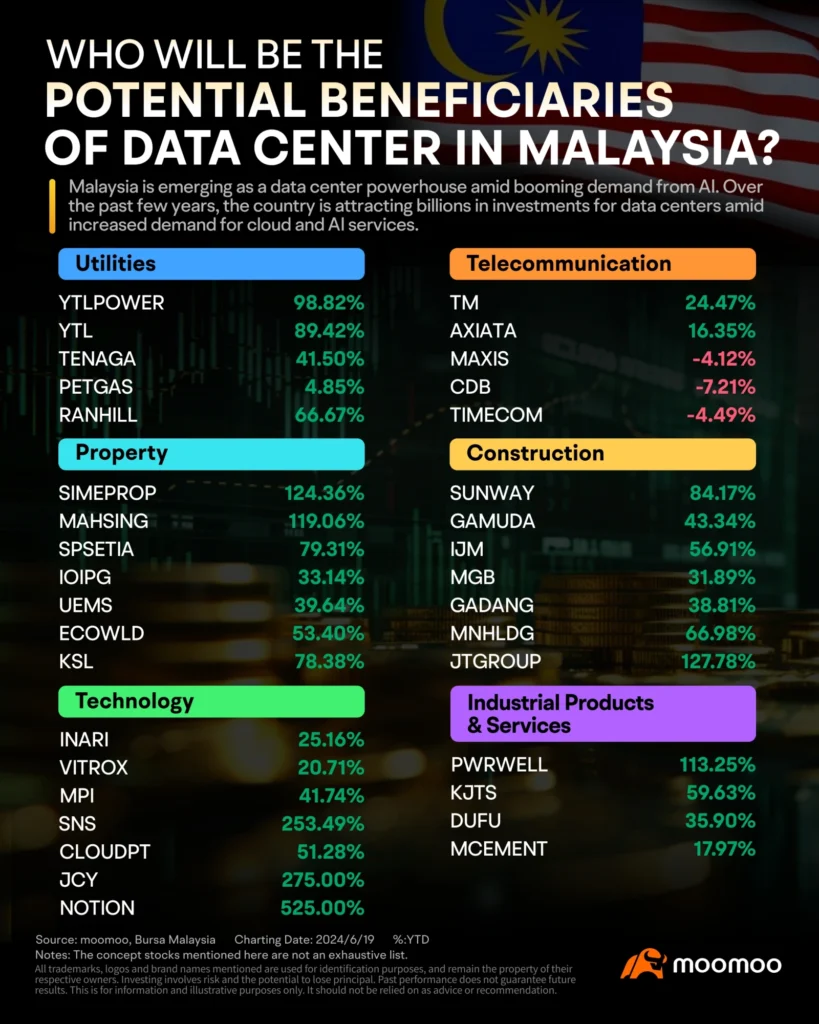
After energy powers AI and chips provide the computing power, infrastructure forms the physical backbone of the AI ecosystem. This includes AI servers, networking equipment, storage systems, and cooling technologies that keep AI systems running efficiently. Eventually , a data center is build.
Growing data center demand has encouraged companies to invest billions in AI infrastructure.
Companies like Dell Technologies, Super Micro Computer (Supermicro), Hewlett Packard Enterprise (HPE), Cisco Systems, and Arista Networks supply the servers, networking equipment, storage, and enterprise infrastructure that power hyperscale AI data centers worldwide.

Malaysia is also becoming an important player in the AI infrastructure layer. In recent years, global technology companies have invested billions of dollars to build new data centers, particularly in Johor.
Johor offers a strategic location, reliable connectivity, competitive operating costs, and close proximity to Singapore. These advantages continue to attract global cloud providers and position Malaysia as one of Southeast Asia’s fastest-growing AI infrastructure hubs.
Models
The fourth layer is Models, the intelligence behind AI. These large language models (LLMs) are trained on vast amounts of data and enable AI to understand, reason, and generate human-like responses. As of June 2026, nearly 30 public AI models are available for developers, businesses, and consumers.
In 2026, several leading AI models companies announced plans to pursue public listings, including OpenAI, the developer of ChatGPT, and Anthropic, the company behind Claude. Their planned IPOs reflect growing confidence in the commercial potential of foundation AI models.

On June 12, 2026, SpaceX successfully debuted on the Nasdaq. With xAI, the developer of the Grok model, the listing reflected the increasing commercial value of foundation AI models and demonstrated how AI has evolved from a technological breakthrough into a major investment theme
Now coming back to Malaysia, as of today , we don’t really have any models available in the market that are widely used. Public listed companies YTL has rolled out the significant ones LLM ILMUchat that were focused on hyper-local context and data sovereignty.
.jpeg&w=1920&q=75)
The CEO of YTL AILabs, Foong Chee Mun maintains a high level of handling rojak speech patterns with the mix language of Bahasa Melayu, English , Chinese , local dialects and Manglish within the conversation.
Applications
Finally, we arrive at the application layer, where AI begins to deliver real value to people and businesses. At this stage, everything built across the previous four layers comes together. As a result, these technologies are transformed into practical products and services that we use every day.
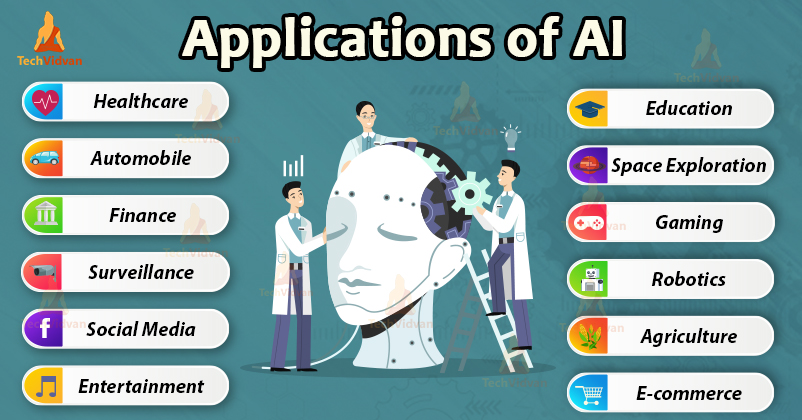
Globally, AI applications are transforming nearly every industry. Some of the fastest-growing areas include AI chatbots and virtual assistants, AI coding assistants, business automation, robotics and autonomous systems, healthcare diagnostics, financial services, cybersecurity, education, and content creation through AI-generated images, videos, music, and voice.

In Malaysia, YTL Digital also launched RYT Bank, which is the world’s first AI-powered bank , which makes its presence in this industry. RYT Bank will operate as a digital bank but integrate together with AI as part of managing a better wealth and finance being part of their vision and mission. For more digital bank info ,you may refer here.
What can we do?
With AI growing further and faster day by day, there were numerous reports that job loss will continue further as we are getting replaced by AI. But the fact is that people that are not willing to adapt and learn AI the right way will be getting booted out from these revolutionary changes.
I may have not witnessed the internet’s booming era , but I have felt the changes the internet made to our life in my lifetime. Job opportunities that spurred the current market before AI were heavily influenced by the Internet with one of the best examples being smartphones available on social media.
AI could bring a similar transformation. So, instead of simply watching it happen, we can participate in it.
There are three simple ways to start: learn, use, and invest. Learn how AI is changing your industry. Use AI to improve your work or build something of your own. And for investors, understand which companies and industries could benefit across the five layers of AI.
We are still in the early stages of this shift. The biggest opportunity may not be predicting exactly where AI will go, but being prepared enough to move when opportunities appear.
Follow my page as I share the investment opportunities, and market insights from both global and Malaysian markets.
Kachingss!!