It’s that time of the year again in Malaysia.
The sky was grey and you were thinking is it going to rain soon but it turned out to be a false alarm and we all knew it was a haze.
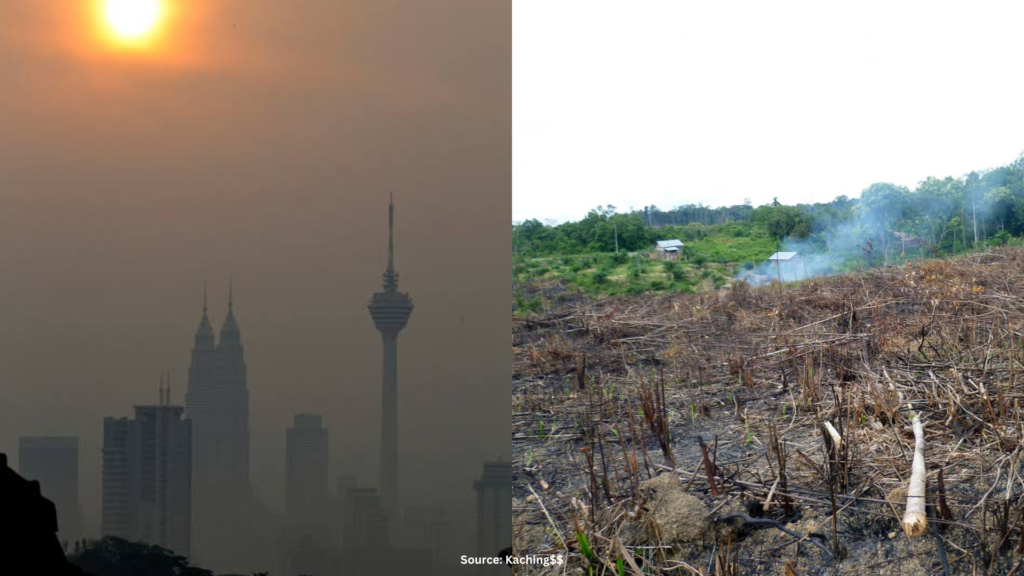
For Malaysians, haze isn’t exactly something new. Forest and peat land fires, dry weather and land-clearing activities across Southeast Asia have repeatedly contributed to the problem. And whenever deforestation enters the conversation, one industry almost inevitably gets mentioned: palm oil.
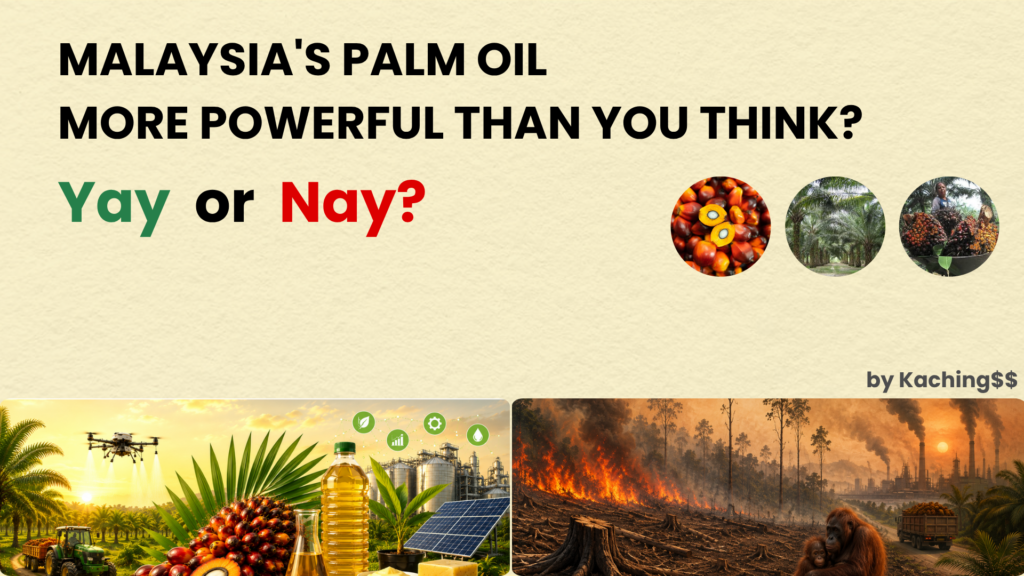
Despite controversy, palm oil remains one of Malaysia’s most important commodities and continues to be produced on a massive scale. As an investor, here i will bring you from head to toe about the palm oil industry.
To understand that, we first need to look at how palm oil became such a major industry, what we actually use it for, and why Malaysia remains one of its biggest players.
Here’s what we’ll explore:
Origin in Malaysia
Palm oil did not originate from Malaysia but was introduced to Malaya by the British during the 1870s.
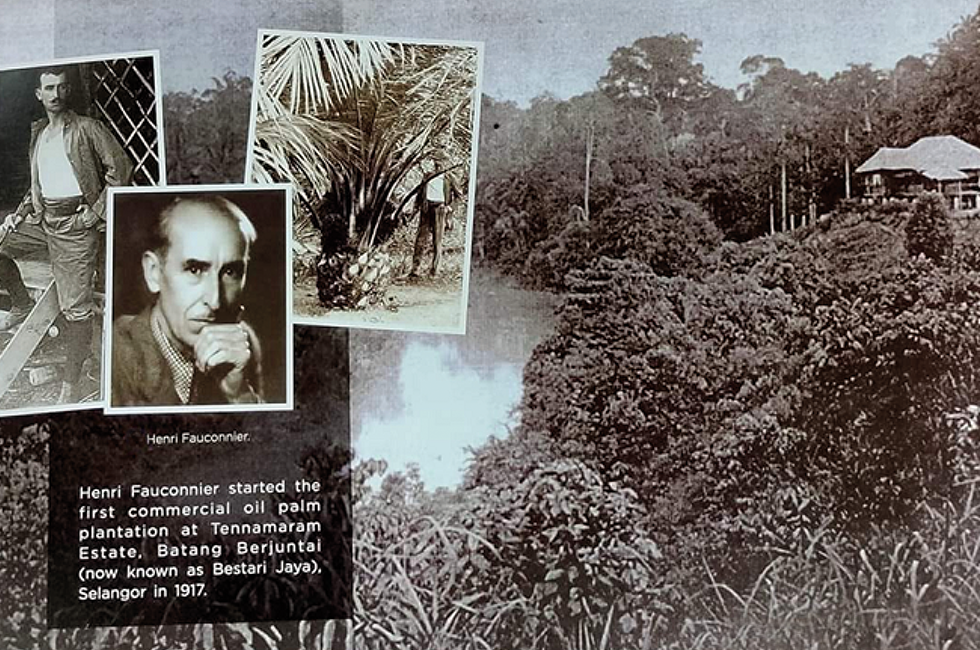
In 1917, Malaysia’s first commercial oil palm plantation was established at Tennamaram Estate in Selangor by French planter Henri Fauconnier, using oil palm planting material linked to Sumatra. Interestingly, the historic estate is today part of SD Guthrie, one of Malaysia’s largest listed plantation companies.
From there, Malaysia’s palm oil industry expanded rapidly, especially from the 1960s, when the government encouraged oil palm as part of its strategy to reduce the country’s dependence on rubber and tin.
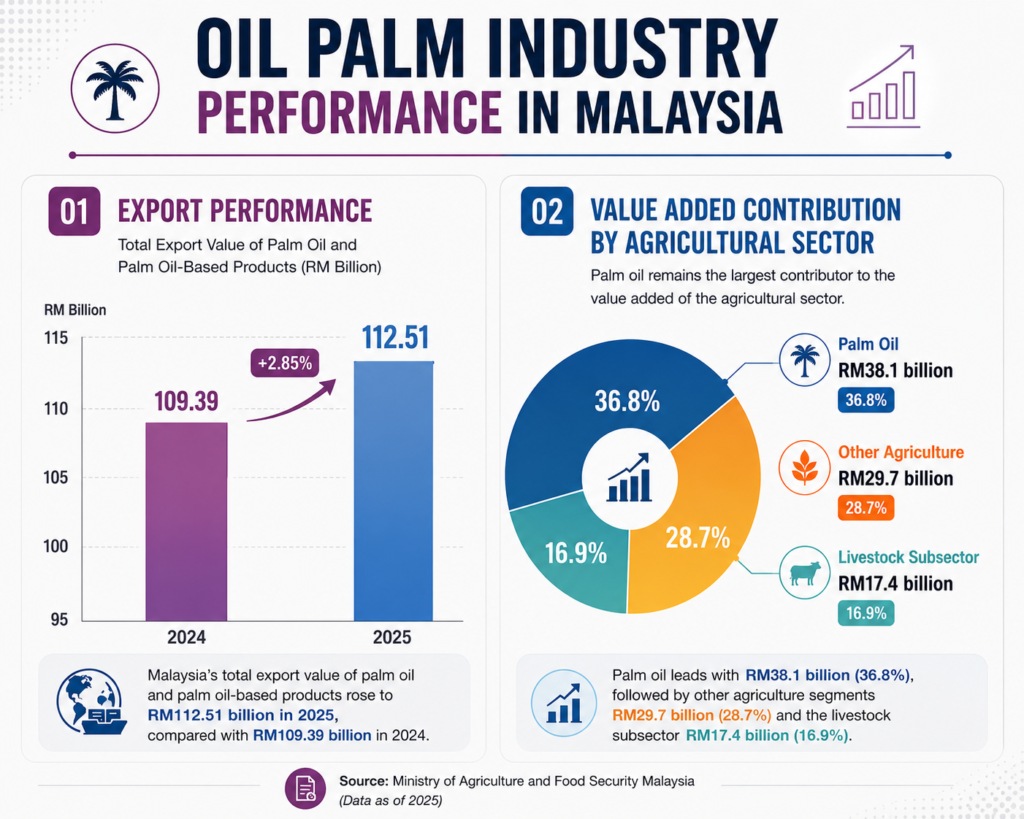
Today, palm oil has become one of Malaysia’s most important agricultural industries. They have been our highest export from the Agriculture industry itself , and they contributed around 3.6% of total GDP growth in Malaysia too in 2025.
Palm Oil Demand Globally
Palm oil isn’t just a Southeast Asian commodity. Its demand stretches across some of the world’s largest economies, including India, China and the United States.
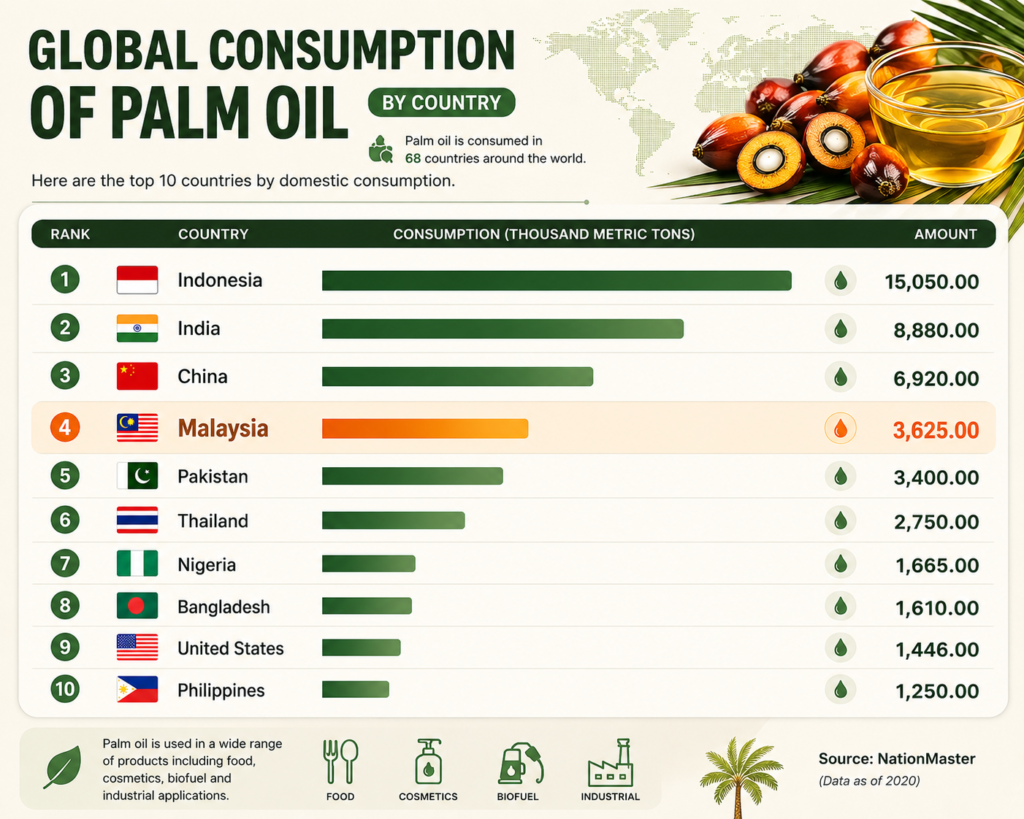
Looking at 2020 consumption, Indonesia led at 15.05 million metric tonnes, followed by India at 8.88 million tonnes and China at 6.92 million tonnes. Interestingly, Malaysia ranked fourth at 3.63 million tonnes despite having a significantly smaller population than the countries above it.
Product Usage
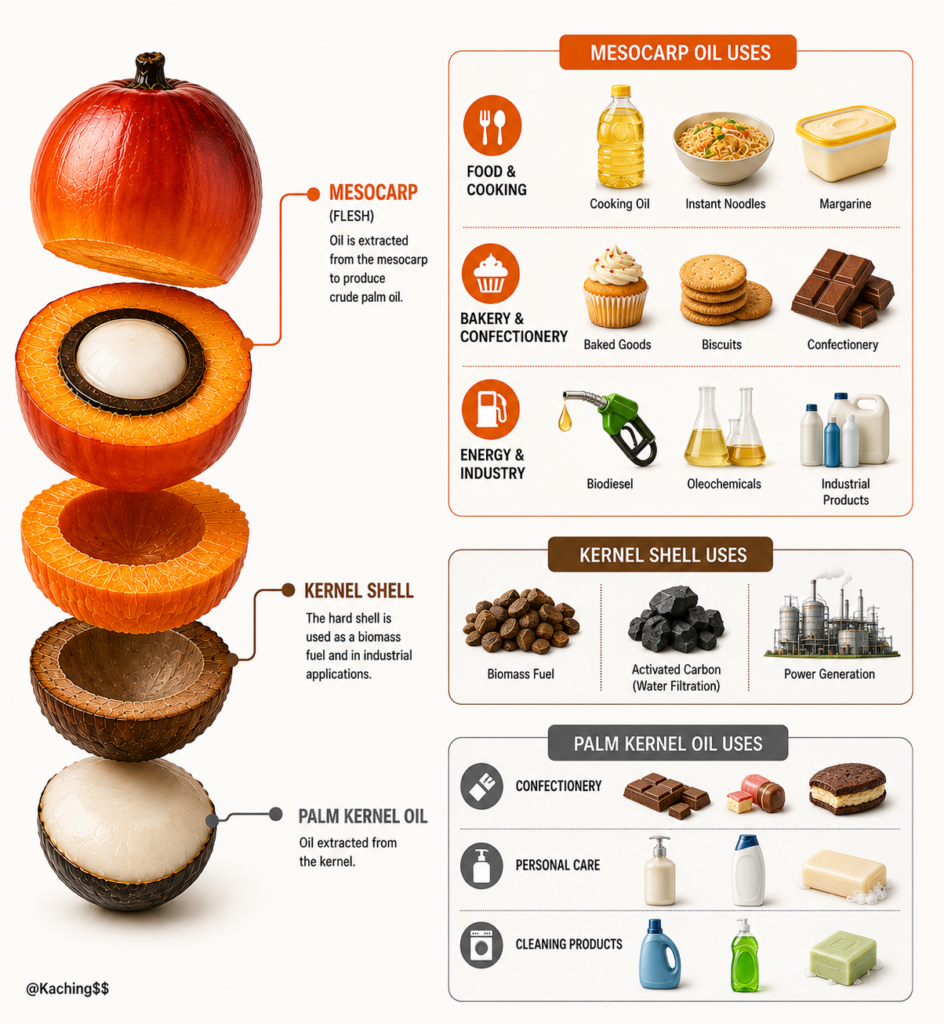
Palm oil can be separated into multiple different sections from the kennel to the flesh. Based on current technology, the entire oil palm fruit is utilized well for industrial usage.
More recently, palm oil has gained attention in the energy sector. Tensions in the Middle East have raised concerns over global energy supply. As a result, demand for alternative fuels has grown. This could also increase the use of crude palm oil for bio fuel.
Malaysia is already moving in this direction. On 1 June 2026, Malaysia introduced the B15 bio diesel blend. It contains 15% palm oil-derived bio diesel and moving away from the previously used B10 version. Therefore, wider adoption could increase local demand for palm oil.
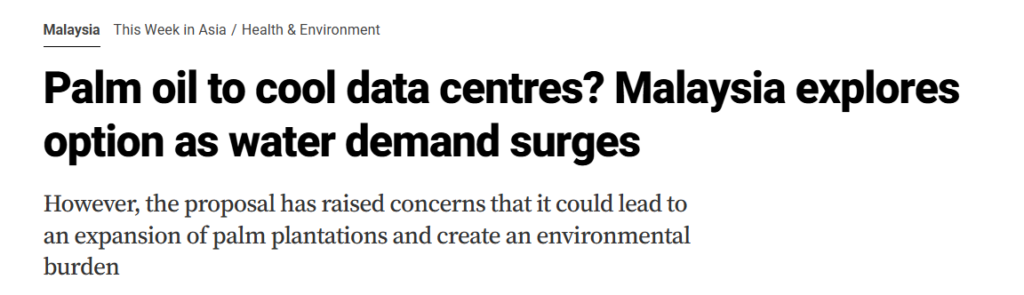
Meanwhile, researchers are exploring other uses for palm oil. The Malaysian Palm Oil Board (MPOB) is studying palm oil-based solutions for cooling systems. One potential use involves cooling high-demand data centers which could higher utilization of palm oil usage.
Palm Oil Price (FCPO)
Just like gold, stocks and other commodities, palm oil has its own market price. The market quotes its price in Ringgit Malaysia (RM) per metric tonne. Moreover, investors can trade its price movements without buying physical palm oil.
In Malaysia, investors can trade through FCPO (Crude Palm Oil Futures) on Bursa Malaysia Derivatives. Click to gain more information. Like other commodities, supply and demand play a major role in FCPO prices.
Weather, play the biggest part in affecting supply and demand. El Niño, the phenomenon that cause hotter and drier conditions can reduce oil palm yields and production. As a result, supply may tighten while demand remains strong. Eventually, this can push palm oil prices higher.
Therefore, FCPO has become an important global benchmark for palm oil prices. It connects Malaysia’s palm oil industry directly with the global commodity market.
However , if you are interested in investing at bigger map in palm oil industry , the next part will bring your attention more.
Companies Related to Palm Oil
Bursa Malaysia lists many companies involved in plantations and palm oil production. In fact, some have expanded into refining, renewable energy and Agritech.
Here are top 10 Malaysia Plantation Stocks by their market cap that listing in Bursa Malaysia.
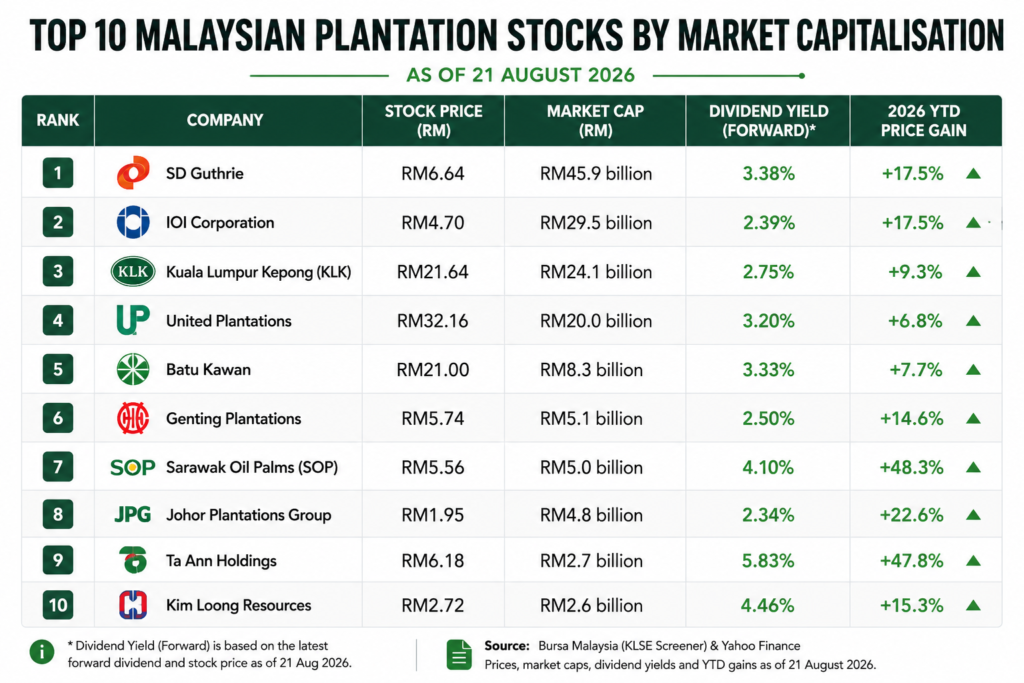
As is stand of today , all of them has a positive gain year to date price gain with a few notable ones like SD Guthrie and IOI Corporation experiencing almost 18% gain! There were two companies that caught my attention which are SD Guthrie and Johor Plantations Group (JPG).
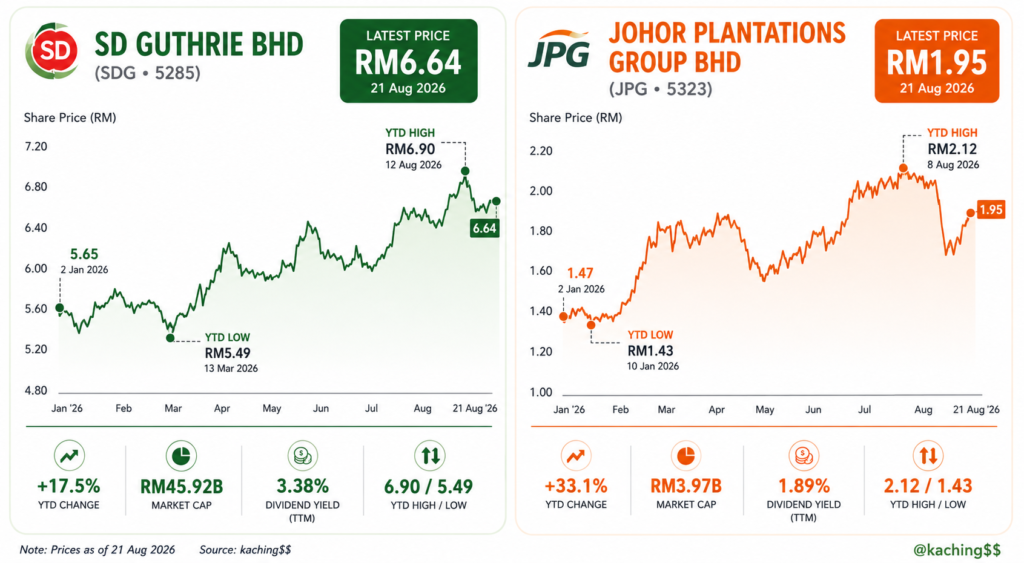
SD Guthrie offers investors exposure to one of Malaysia’s largest plantation groups. More importantly, it continues to expand beyond traditional palm oil. The company recorded a record RM2.5 billion net profit in FY2025, up 16%. Meanwhile, it is expanding into industrial development to create another earnings stream beyond plantations.

Besides , it Agritech of Genome Select has come to fruitful with a higher 33.8% increase in oil yield make them an attractive investment too in this sector.
Next is Johor Plantations Group (JPG), one of the newer plantation stocks on Bursa Malaysia. Since its 2024 listing, JPG has continued to expand beyond traditional plantations. In FY2025, it recorded RM1.7 billion in revenue and RM343.6 million PAT.
Their vision of iSPOC complex combines milling, refining and animal feed production. JPG also partnered with Fuji Oil Asia to develop specialized palm-based food products.. As a result, JPG can reduce its environmental impact while creating new income streams.

iSPOC targets commercial operations by the end of 2026.
Anyhow, these are only my personal views for discussion. They are not buy or sell calls. Always do your own research before making any investment decision.
Global Perspective
After all the economic benefits hearing from oil palm industry , yet they face a main problem which are deforestation.
Over the years, environmental groups and governments have raised concerns over forest loss, biodiversity and carbon emissions.
As a result, pressure against palm oil grew across Europe. In 2017, the European Parliament called for a phase-out of palm oil linked to deforestation from bio fuels.
These policies aim to reduce deforestation and carbon emissions. However, Malaysia and Indonesia have also questioned whether some rules treat palm oil fairly compared with other vegetable oils. Since then , the debate has now reached the World Trade Organization (WTO).
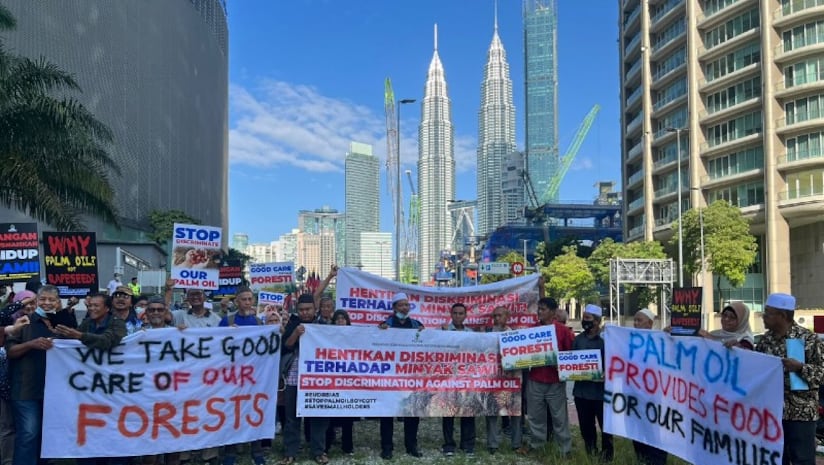
Meanwhile, Malaysia has challenged several EU palm oil bio fuel rules. In fact, the WTO ruled in Malaysia’s favor on several parts of the dispute. Therefore, the debate now goes beyond environmental concerns. It also raises questions about trade, competition and fair treatment.
Conclusion
Palm oil remains important to Malaysia, but environmental concerns cannot be ignored. Instead, stronger sustainability standards could create new opportunities for the industry.
Malaysia have proof that we can lead this change through cleaner production, bio fuel, Agritech and renewable energy. At the same time, these developments could attract investors and create new growth opportunities.
From my point of view, palm oil is here to stay. However, the way we produce and use it will continue to change. Stronger sustainability standards and new technology could help the industry adapt to global needs.
Ultimately, the future of palm oil is not about using more, but using it better.
If you like this post , feel free to follow and subscribe to my channel.
Kaching$$